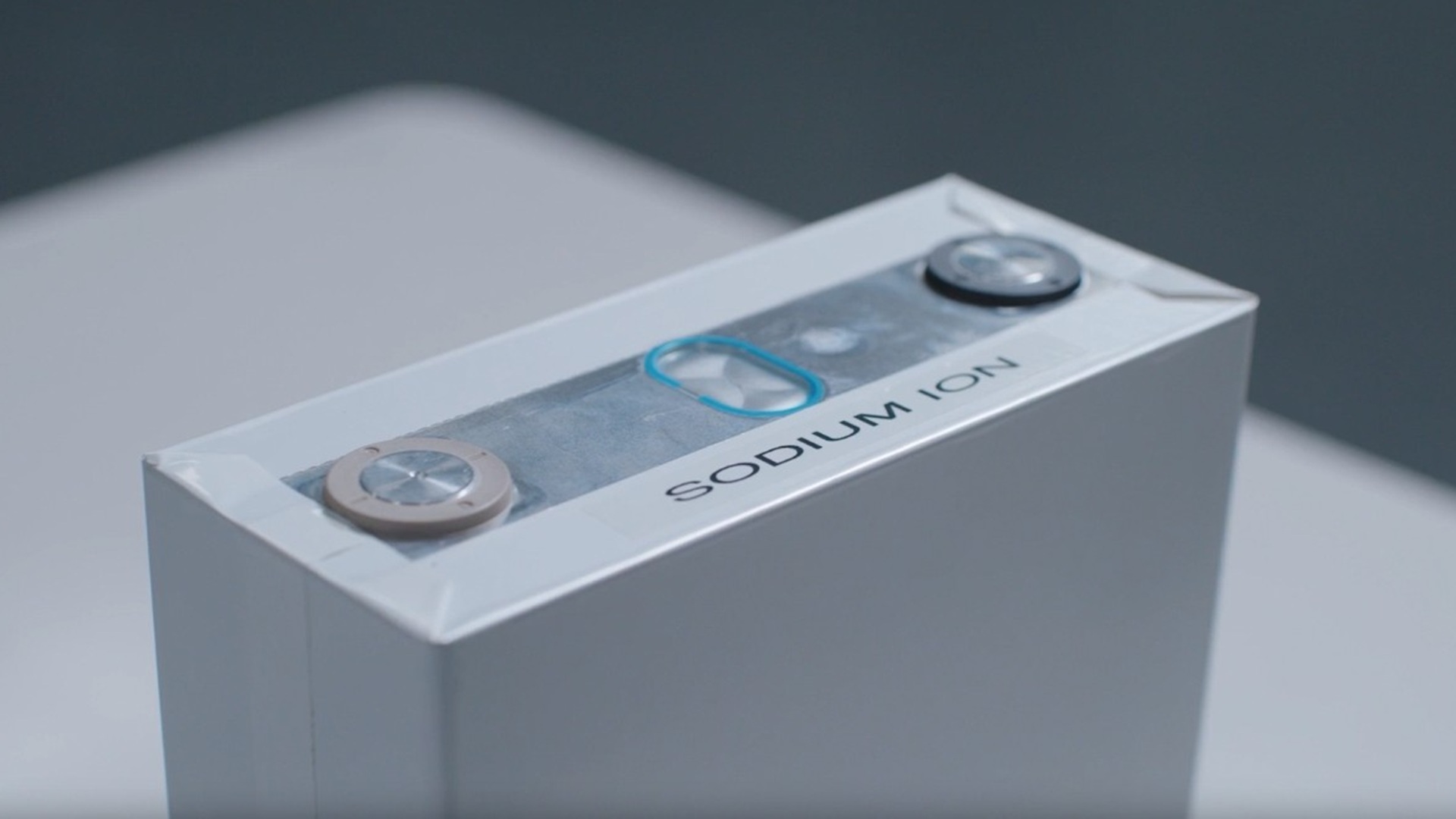
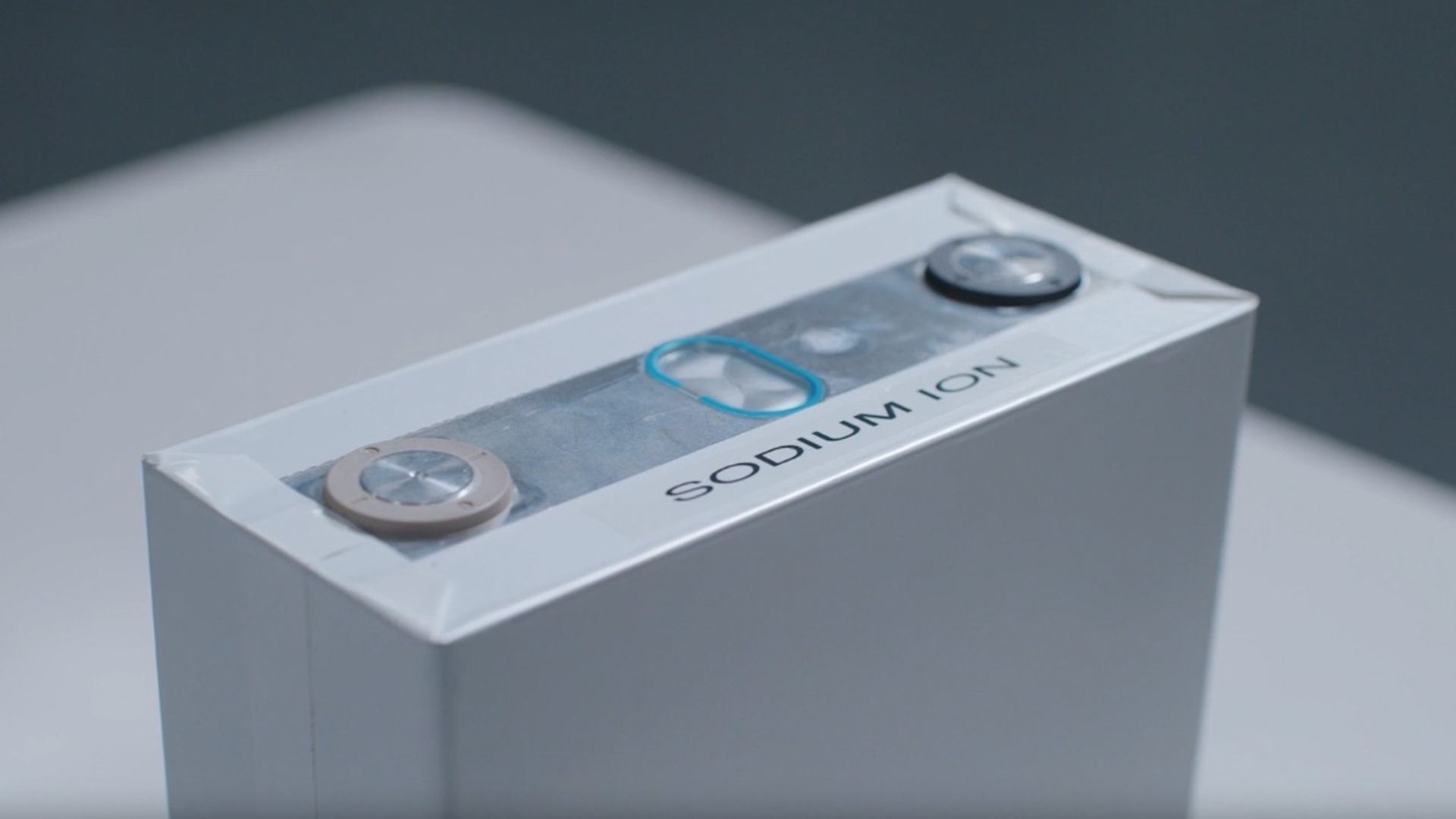
US energy storage startup Peak Energy has recently joined forces with leading car manufacturer General Motors (GM) to develop sodium-ion batteries designed for grid storage.
The Colorado-based energy storage company announced the new partnership on June 9. The project will bring together its proprietary passively cooled battery and GM’s sodium-ion cells.
Under the novel agreement, General Motors will design and develop the sodium-ion cells at its battery laboratories in the state of Michigan. It will moreover retain exclusive manufacturing rights. Peak Energy will integrate the cells into its energy storage systems.
“In grid-scale stationary storage systems, if we can make the cell safer and more robust, we can remove complexity elsewhere in the system,” GM reported. “That can translate into a quieter, simpler, lower-maintenance ESS for the customer.”
Sodium-ion storage push
According to both companies, the technology could provide a cheap alternative to today’s dominant lithium-iron phosphate (LFP) battery systems. It could also improve reliability and reduce energy waste.
“Lowering the cost of energy is one of the most important issues facing America today,” Landon Mossburg, Peak Energy CEO and co-founder, said. He added that the firm aims to deliver a safer, lower-cost, and faster-to-deploy energy storage system that can meet the growing US power demand without raising consumer costs.

Credit: Peak Energy
Peak Energy has developed a proprietary passively cooled battery energy storage system. In essence, this means that it does not rely on active cooling to maintain safe operating temperatures. The firm argued that eliminating cooling equipment reduces both upfront costs and operational complexity.
The sodium-ion system can reportedly reduce energy storage costs by around 20 percent compared with conventional solutions. It can furthermore deliver over 99 percent uptime.
Mossburg stressed the significance of the project. “The future of grid storage will be defined by affordability, reliability and American innovation,” he noted. “We’re thrilled to partner with GM to bring a better solution to the American energy economy.”
A strategic partnership
Replacing conventional LFP-based storage systems with Peak Energy’s passively cooled technology could potentially cut annual battery storage energy waste in the US by up to two terawatt-hours (TWh). That amount of electricity would be enough to power a mid-sized city for an entire year.
“At GM, we know that the application should determine the battery, and for grid-scale stationary storage, sodium-ion is the right solution,” Kurt Kelty, GM’s VP of battery and sustainability, said in a press statement.
According to GM, eliminating active cooling can significantly improve energy storage systems. Active cooling relies on additional equipment, leads to higher energy losses, requires more maintenance, and increases the risk of component failures. All of this can drive costs higher over time. The firm is certain that Peak Energy’s platform will deliver lower costs, greater reliability, and less maintenance.
“Peak is already demonstrating the value of sodium-ion through their innovative energy storage platform, and together we’re working to push those benefits even further with our next-generation cell – helping deliver more reliable, lower-cost energy storage at scale for the US grid,” Kelty concluded.